



Blog1_test
CFD Analysis of Passive Ventilation Caused by Human Movement in buildings
Passive ventilation in buildings is usually associated with windows, vents, and natural airflow. But even when openings stay closed, air can still be exchanged between spaces simply through movement of occupants.
This raises an important question: how much air can actually be exchanged between spaces simply due to people moving in and out? We recently assessed this using Computational Fluid Dynamics (CFD) to quantify how much air is transferred between rooms during everyday movement.
How we simulated it
We used transient CFD simulations with the SST k-ω turbulence model to capture short-duration airflow and mixing effects.
Our setup includes:
- Moving people and doors modelled using Geometrical Immersed Boundary (GIB)
- A tracer gas introduced in one space
- Air exchange quantified by tracking tracer transport over time
This approach allows us to estimate how much “fresh” or “contaminated” air is exchanged between adjacent spaces.
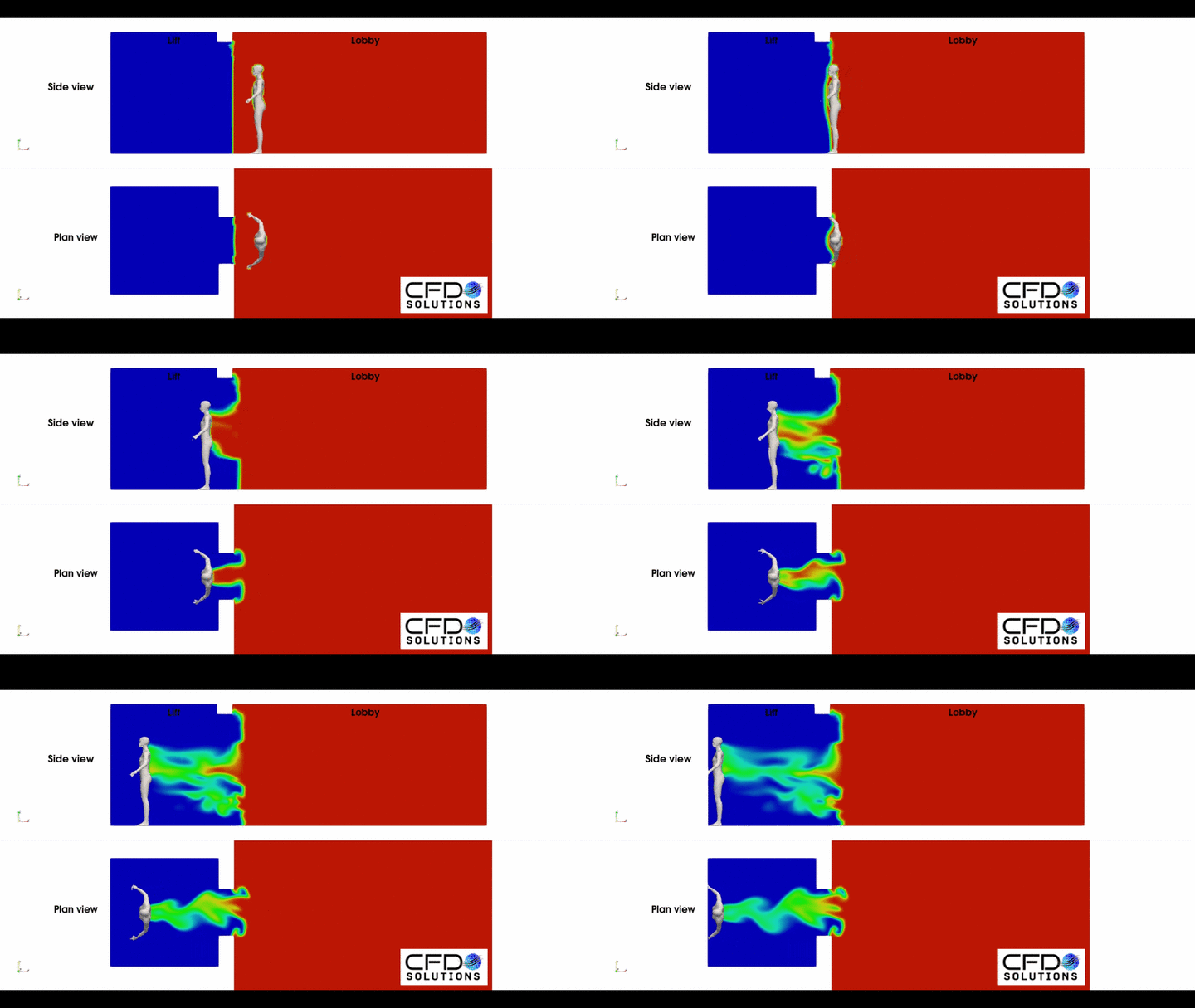
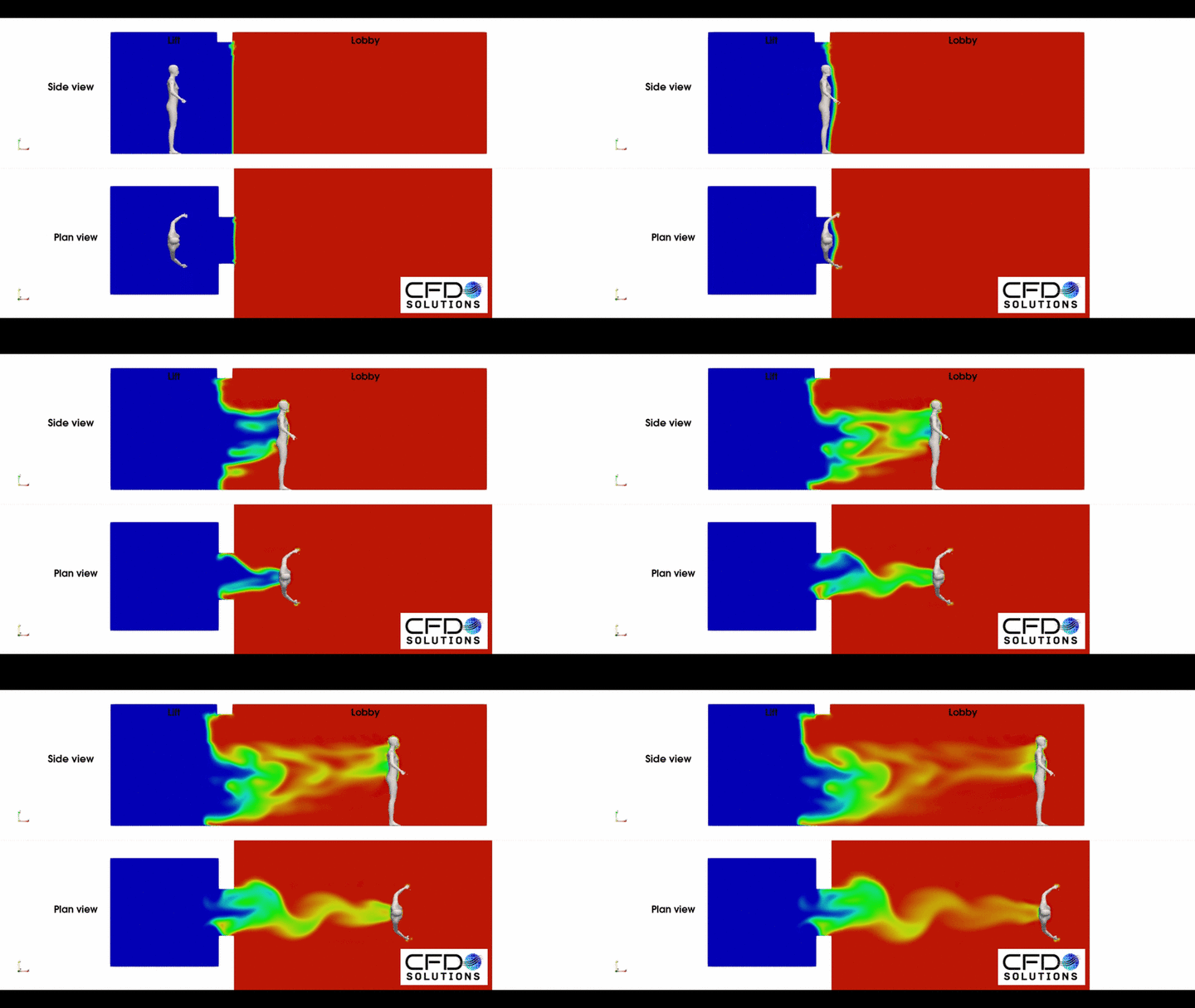
In the first case, we simulated a lift door opening while a person walks in or out. The lift was assumed to be well ventilated, while the lobby was not. Because the lift door is sliding, the door itself creates only limited airflow. Most of the air exchange is caused by the movement of the person.
Air exchanged:
- Person walking into lift: 0.42 kg of air
- Person walking out of lift: 0.56 kg of air (slide to see the animation)
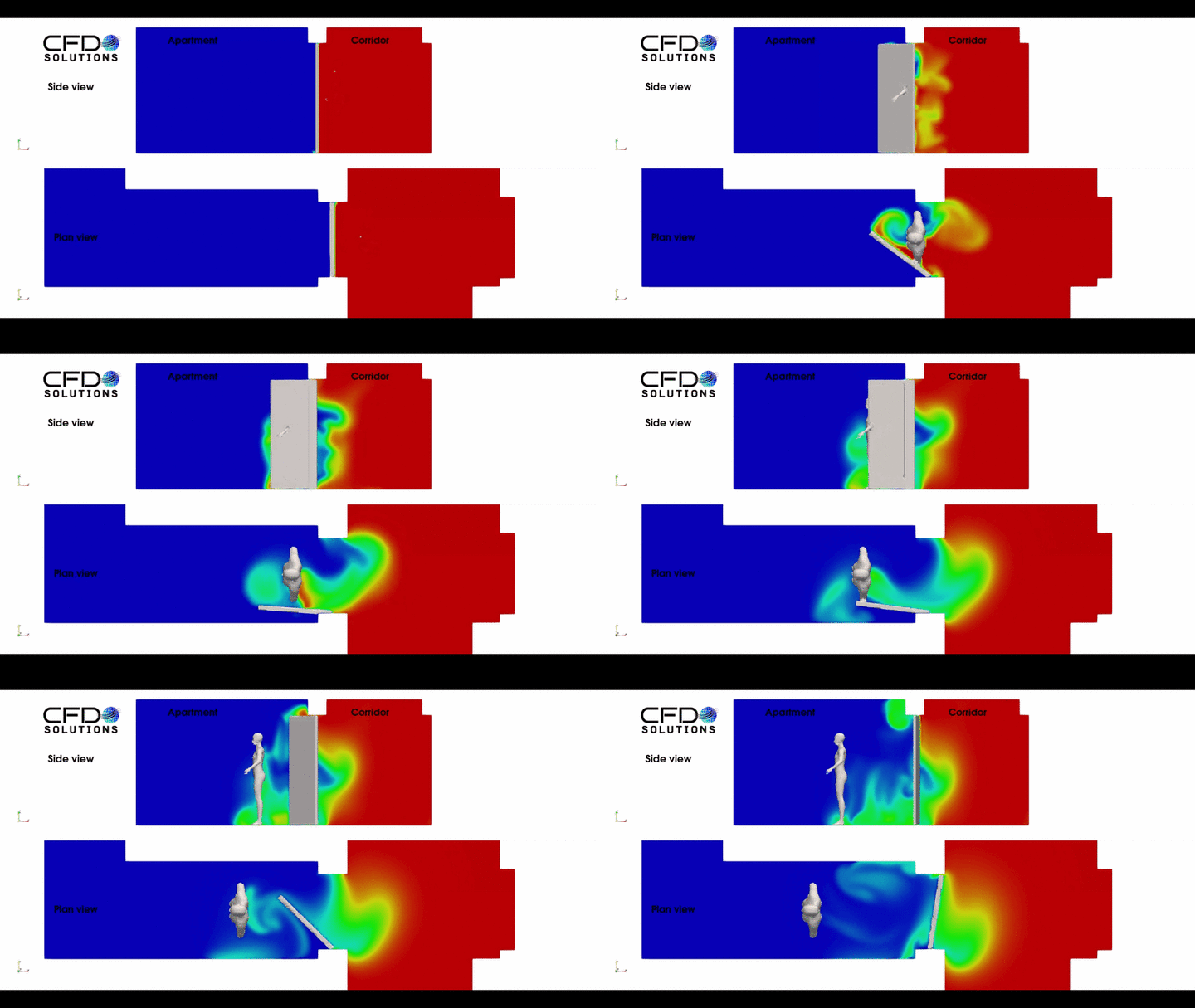
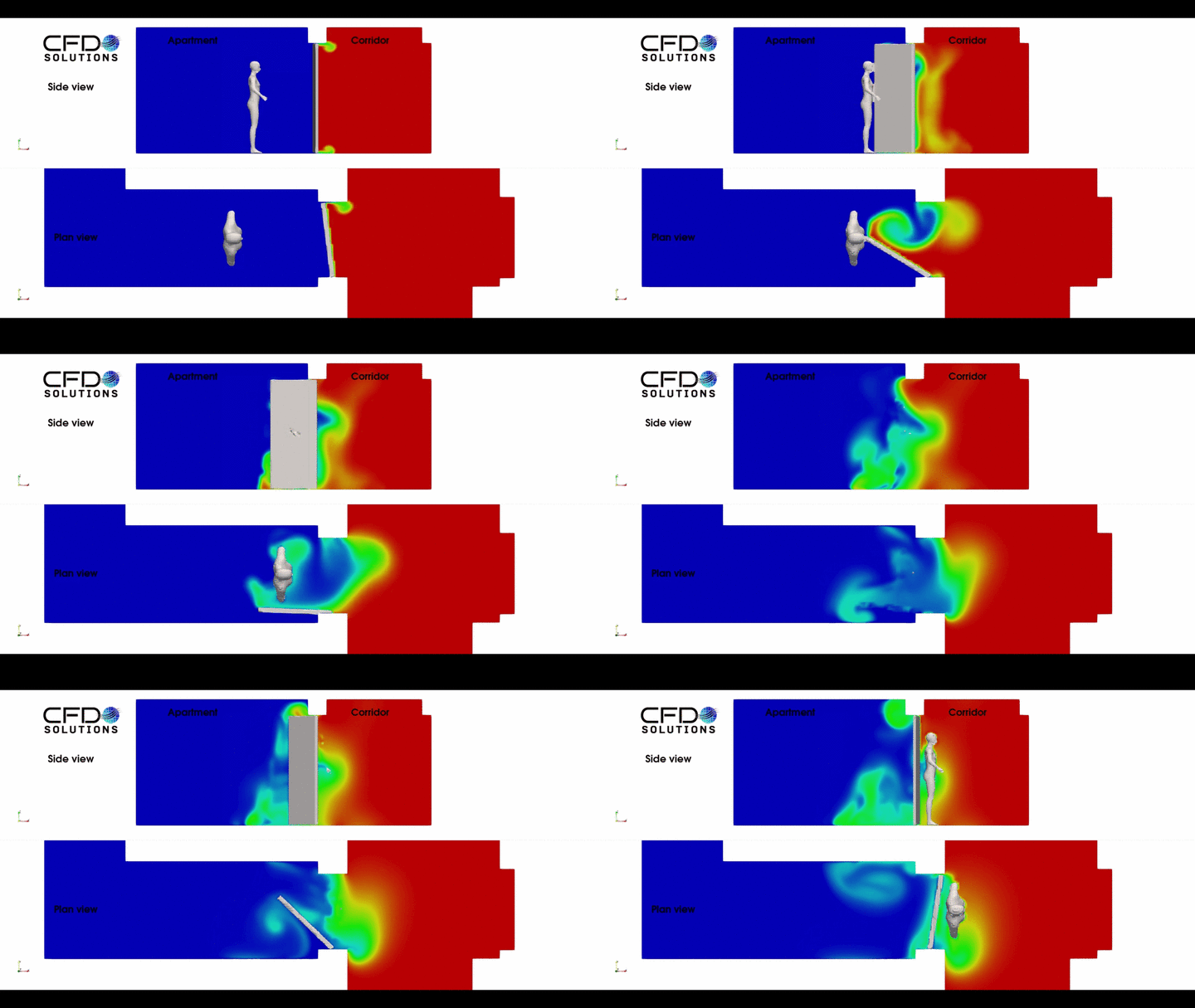
In the second case, we simulated an apartment door swinging open while a person walks in or out. The apartment was assumed to be well ventilated, while the corridor was not. Here, the door motion itself creates strong vortices, leading to much greater mixing than in the lift case.
Air exchanged
- Person entering apartment: 1.14 kg of air
- Person leaving apartment: 1.28 kg of air (slide to see the animation)
Why this matters
These results show that door operation and occupant movement can contribute meaningfully to passive ventilation and contaminant transport, especially in shared indoor spaces such as:
- apartment corridors
- lift lobbies
- offices
- healthcare facilities
- public buildings
CFD can help quantify these effects and support better decisions in ventilation design, infection risk assessment, and building performance studies.